
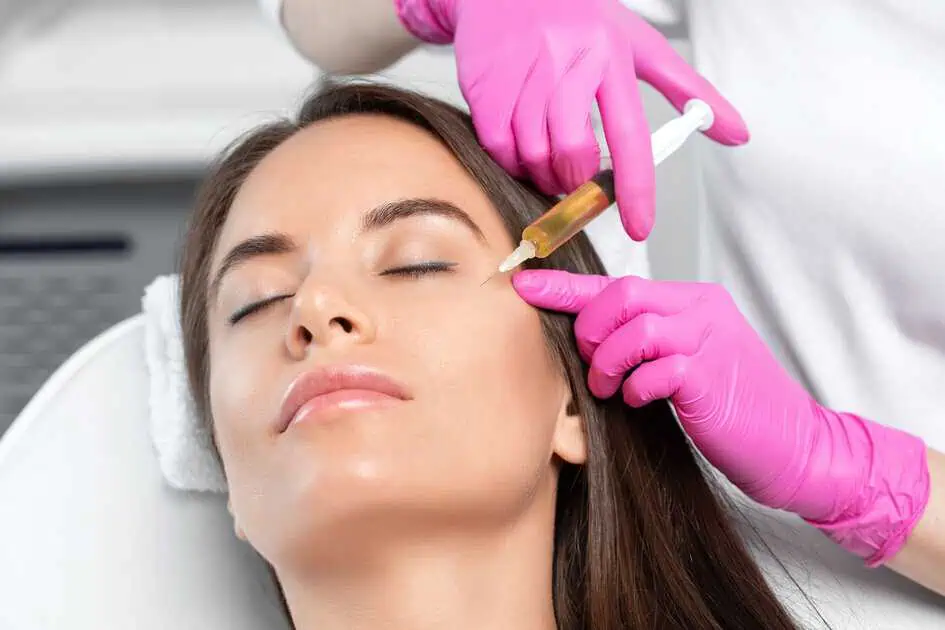
Modern cosmetology offers different ways to improve the condition of the skin without surgery. One of these methods is plasma therapy, which helps support the natural processes of tissue recovery. Today, prp therapy for face is used to improve skin quality, reduce the appearance of fine wrinkles, and restore a healthy complexion. The main feature of the method is the use of the patient’s own blood, from which plasma with an increased concentration of platelets is obtained.
What Is PRP Therapy and What Are Its Features?
PRP therapy (Platelet-Rich Plasma) is a cosmetology procedure based on the injection of plasma enriched with platelets. These blood cells contain growth factors — substances involved in the recovery of damaged tissues and skin renewal.
The method is aimed at supporting the natural processes of regeneration. After the plasma is injected, growth factors interact with skin cells and may stimulate the production of collagen, which is necessary for maintaining skin density and firmness.
The main features of the procedure include:
- Use of the patient’s own blood without donor components.
- Influence on the natural mechanisms of tissue recovery.
- The possibility of treating individual areas of the face, including the cheeks, forehead, and chin.
- A relatively short recovery period.
- The possibility of combining it with other cosmetology methods as prescribed by a doctor.
It is important to understand that plasma therapy does not replace a surgical facelift and does not eliminate deep age-related changes. Its main purpose is to improve the overall condition of the skin.
How Is the PRP Therapy Procedure Performed?
Before plasma therapy, the cosmetologist assesses the condition of the skin and checks for chronic diseases and possible contraindications. The procedure itself usually takes 30–60 minutes.
It includes several consecutive stages:
- Blood collection. Approximately 10–20 ml of blood is drawn from the patient’s vein. The required volume depends on the equipment used.
- Plasma preparation. The blood is placed in a centrifuge, which separates its components and makes it possible to obtain plasma with an increased concentration of platelets.
- Skin preparation. The face is cleansed and, if necessary, a local anesthetic is applied.
- Injection of the preparation. The prepared plasma is injected into selected areas of the skin using thin needles.
- Completion of the procedure. The doctor treats the skin and provides recommendations for further care.
After the injections, mild redness, swelling, and bruising may occur. They usually gradually disappear within a few days.
What Skin Problems Can Plasma Therapy Help Address?
PRP therapy is considered primarily as a method for improving skin quality. Its effectiveness depends on age, the individual characteristics of the body, and the initial condition of the tissues.
The procedure may be recommended for the following concerns:
- Reduced skin firmness and elasticity.
- The appearance of fine age-related wrinkles.
- Uneven texture and a dull complexion.
- Post-acne marks and small scars.
- Signs of photoaging associated with sun exposure.
At the same time, scientific studies show mixed results. Some confirm improvements in individual indicators of skin condition, but convincing evidence of guaranteed rejuvenation is still insufficient.
How Many Procedures Are Needed and What Restrictions Exist?
The number of sessions is selected individually. In cosmetology practice, a course of 2–3 procedures with intervals of approximately 4–6 weeks is often prescribed. However, there is no single standard for the duration of treatment.
The first changes may become noticeable gradually because tissue recovery takes time. The result depends on the platelet concentration, injection technique, and skin characteristics.
PRP therapy is not suitable for everyone. Contraindications may include blood clotting disorders, active infections, and certain blood diseases. There are also risks of infection, bruising, and inflammatory reactions.
Therefore, the procedure should be performed by a qualified medical specialist in compliance with sterility requirements.
PRP therapy is an additional skin care method based on using the body’s own resources. It may help improve facial texture and firmness, but it does not guarantee pronounced rejuvenation. A preliminary consultation with a doctor helps determine whether the procedure is appropriate, rule out contraindications, and form realistic expectations regarding the result.